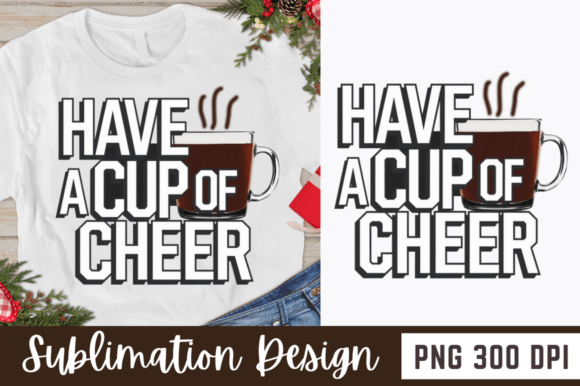
Have a Cup of Cheer Sublimation Design
A Designer’s First Glance: Warm, Welcoming, and Just Right for Holiday Stitching
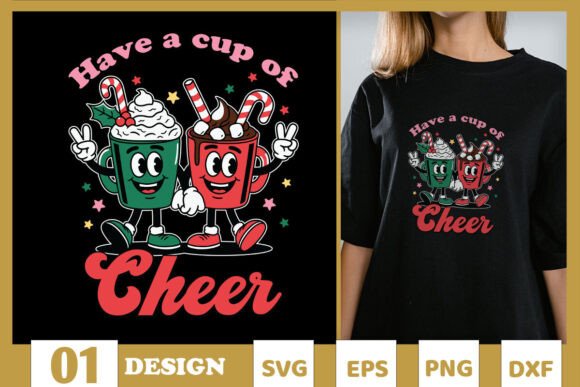
When I opened Have a Cup of Cheer Sublimation Design, my first thought wasn’t “cute” or “festive”—it was “this feels like something people will actually keep.” The composition is balanced: a cozy mug centered with steam curling upward, subtle holly accents, and friendly, rounded lettering that reads clearly at a glance. It doesn’t shout—it invites. As an embroidery designer who’s stitched hundreds of holiday motifs, I immediately pictured it on a cream linen tea towel, a charcoal fleece sweatshirt, or a natural cotton tote bag meant for gifting. Its visual weight sits comfortably between playful and polished—ideal for small shop owners wanting handmade charm without looking amateurish.
How It Translates Off-Screen and Onto Fabric
I tested Have a Cup of Cheer Sublimation Design as the foundation for a custom embroidered baby onesie—soft organic cotton, tear-away stabilizer, and 40-weight rayon thread in warm cream and forest green. Even before stitching, the PNG’s 300 DPI clarity gave me confidence in its scalability. Once digitized (yes, this is a sublimation design—not an embroidery file out of the box), the curves held up beautifully: the mug’s handle stayed smooth, the steam retained delicate tapering, and the letterforms didn’t collapse at small sizes. That said, it’s not inherently optimized for machine embroidery. You’ll need to digitize it thoughtfully—or pair it with a trusted digitizer—especially if you’re planning dense fill stitches around the mug base or satin-stitched letter outlines.
Where This Design Shines—and Where It Needs Thoughtful Handling
Have a Cup of Cheer Sublimation Design excels on medium-to-heavyweight fabrics where detail reads well: brushed cotton sweatshirts, canvas totes, terry cloth kitchen towels, and twill aprons. On those surfaces, its warmth translates directly into perceived value—a customer sees that mug and thinks, “This was made with care.”
But here’s where practicality kicks in:
- Small hoop sizes: The full layout fits best in a 5x7" hoop or larger. If you’re stitching caps or curved pockets, isolate just the mug or the phrase “cup of cheer” to maintain legibility.
- Textured or stretchy fabric: Avoid heavy fill areas over ribbed knits or jersey unless you’ve added cutaway stabilizer and reduced stitch density. Steam swirls and fine holly stems can blur on unstable bases.
- Dark or black fabric: The original PNG leans light and airy—so test thread contrast carefully. A charcoal mug outline with gold thread pop works; pale cream thread on black fades fast.
- Wash durability: For baby items or kitchen linens, skip overly dense satin borders on text. Running stitch outlines hold up better over time than tight satin columns.
Real-World Fit: From Etsy Listings to Boutique Merchandise
I used Have a Cup of Cheer Sublimation Design to create a set of three embroidered pillow covers for a local gift shop’s holiday launch. We offered them in oatmeal linen, deep burgundy velvet, and natural burlap—each with slight layout tweaks based on texture. Customers responded most strongly when the design felt *intentional*, not slapped on: centered on the front panel, sized to leave breathing room, and paired with complementary thread tones (not just default white). That’s the quiet power of this design—it supports thoughtful curation rather than demanding attention.
For Etsy sellers, it’s a smart anchor for bundles: pair it with minimalist snowflake corners or a simple “Joy” monogram to build a cohesive holiday collection. As a T-Shirt Designs asset, it’s stronger on relaxed-fit tees than performance blends—where ink might crack or sublimation bleed distracts from the message. And as Graphics, its clean edges and transparent background make it ideal for printable mockups, social media banners, and digital product previews that help buyers visualize the finished product before they stitch a single line.
Design Integrity Matters—Especially for Handmade Trust
When customers buy a handmade product, they’re buying your judgment—not just your stitch count. That’s why I always ask: Does Have a Cup of Cheer Sublimation Design reflect the standard I’d want for my own shop? Yes—but only when treated with intention. Its simplicity is its strength, but also its vulnerability. Tiny lettering crammed into a 3-inch hoop? It’ll look muddy. Applied to a thin, unlined baby cap without proper underlay? The backside will shadow through. Those missteps erode trust faster than any pricing mistake.
What builds trust instead: testing the design on scrap fabric first, reviewing stitch density in your embroidery software, checking how the steam swirl reads in both black-and-white and color mockups, and confirming licensing terms before listing finished items. Remember—this is a sublimation PNG, not a ready-to-stitch embroidery file. If you’re selling digital embroidery files, you’ll need permission to digitize and redistribute. If you’re stitching for clients or your own craft business, verify commercial use rights before applying it to wholesale merchandise or boutique branding.
Final Notes from the Hoop
Have a Cup of Cheer Sublimation Design isn’t flashy—but it’s reliable. It’s the kind of graphic that earns repeat orders because it feels personal without being precious, festive without being dated, and versatile without sacrificing character. Use it to elevate a holiday gift set, anchor a small shop’s seasonal line, or add quiet joy to a custom embroidered apron. Just remember: great embroidery starts long before the needle moves. Check your stabilizer. Match your thread colors to your fabric’s soul—not just its surface. And always, always test on scrap first.
Because the best designs don’t just look good on screen—they feel right in the hand, wear well over time, and carry warmth long after the season ends.